People
Our team
We bring together researchers from computer science, cultural analytics, linguistics, literary studies, and related fields, united by curiosity about language, computation, and culture.
University of Colorado Boulder
We work at the boundaries of artificial intelligence and the humanities, building and adapting computational methods as instruments for both measurement and interpretation.
We study the language systems that transmit and shape modern culture, from internet platforms to literary archives to language models.
Research
We use natural language processing methods and models to study cultural patterns in complex human systems, and we bring humanistic nuance back to the design and evaluation of those methods and models. We keep real people and naturally occurring language at the center of our work, and we value interdisciplinary collaboration and open science.
Probing the curation and processing pipelines that underlie large language models by examining what texts are included, how they are weighted and altered, and what cultural assumptions are embedded before training begins.
Studying how people narrate their lives in online communities by modeling latent story structures, social norms of storytelling, and how stories contribute to collective sense-making.
Using poetry as a probe for language models by measuring how their formal features (line breaks, spacing, shapes) are transformed in modern curation and modeling systems.
Analyzing how patients and caregivers tell stories about illness, both in online communities and in increasingly AI-mediated electronic health records.
Examining how people use language models for creative and personal goals, including the personal information they share and how co-authorship with AI reshapes the acts of editing and writing.
Recent Papers
COLM 2026
Studies how people revise story prompts in real chatbot logs, introducing WildStories (275K story prompts) and WildEdits (24K edit trees). Develops a framework of edit types to map how users explore narrative possibilities and shows how it can benchmark story generation.
arXiv 2026
Examines narrative structure within Dolma, a massive LLM pretraining corpus, using an 11-dimension framework. Finds that narrative qualities are unevenly distributed across data sources in ways current curation methods can't address.
EMNLP 2025
Examines how whitespace functions as a meaningful artistic element in poetry, finding that LLMs largely fail to replicate the whitespace patterns seen in published poems, with implications for how pretraining data is linearized.
ACL 2025
Studies cultural norms in academic writing across disciplines. Through both computational experiments and interviews with interdisciplinary researchers, shows how LLMs tend to homogenize writing rather than adapt to distinct research cultures.
People
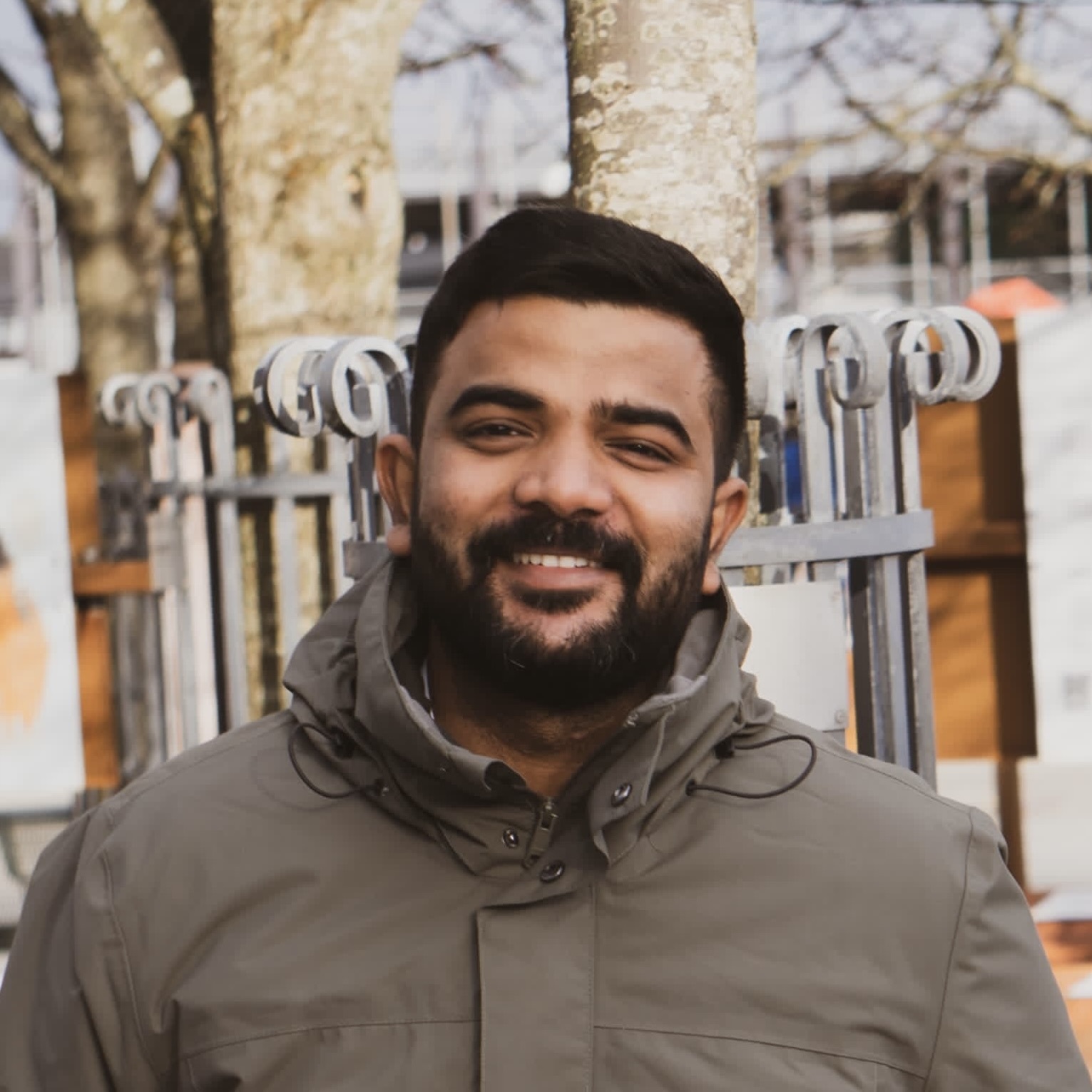
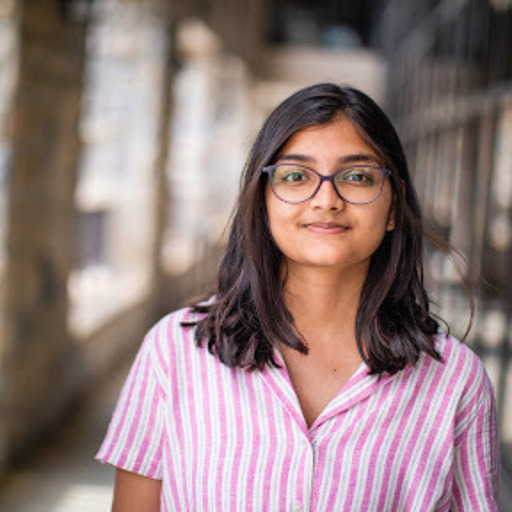
We bring together researchers from computer science, cultural analytics, linguistics, literary studies, and related fields, united by curiosity about language, computation, and culture.
Resources
Available
A large-scale dataset of naturally occurring narratives collected from online communities.
Available
A dataset of human editing behavior in collaborative and AI-assisted writing contexts.
Available
A model for detecting and classifying narrative content across web-scale text corpora.
Available
Narrative annotations over the Dolma pretraining corpus, enabling large-scale analysis of story structure in LLM training data.
Available
A Python package for measuring semantic properties of entities — power, agency, and sentiment — across text corpora.
Join Us
We are actively recruiting 1–2 PhD students in Computer Science and Information Science for Fall 2027. This year, we especially welcome applicants with interests in healthcare and literary studies, but other applicants are welcome as well.
Applying for a PhD position with us? Please do not email! Instead, apply directly through the Computer Science or Information Science department and mention Maria Antoniak's name in your application.
Yes, we are recruiting 1–2 PhD students in Computer Science or Information Science at CU Boulder to start in Fall 2027.
We're looking for students with experience in (1) natural language processing, (2) software engineering or data science, and (3) academic research. Our work is interdisciplinary, and we appreciate when students have experience in areas outside of computer science. We also value time spent in industry and/or pursuing other interests outside of academia. Students with non-traditional backgrounds are very welcome to apply.
This year, we're particularly looking for students with interests in healthcare and/or literary studies, but we welcome applications from other students as well.
You need to apply to the CS PhD program at CU Boulder and list Maria Antoniak as a potential advisor in the application form. Maria can also advise and co-advise students in Information Science.
Please do not send emails about PhD admissions to Maria Antoniak. Due to the volume of messages, I will not be able to reply to any messages about PhD admissions. I appreciate your interest very much — but for context, I receive multiple requests like this per day, and it is simply impossible to respond to, let alone meet with, everyone who reaches out to me.
If you have logistical questions, please reach out to the CS and Info Sci departments.
If application fees are a burden, check out CU Boulder's various fee waiver programs. I can't provide feedback on your application ahead of time or provide any guarantees about admission.
Some resources:
Check out my blog post on this topic. I've tried to make this a comprehensive guide to the PhD application process and what it's like to study at Cornell Information Science (which is where I did my PhD). You might also like to consult this huge list of resources.
We don't currently have any paid RA positions for undergrad or master's students. If you're still interested, you can send Maria Antoniak an email, but due to the volume of requests, we might not be able to respond.